Top 5 Myths About Drayage Services Debunked
AS
Understanding Drayage Services
Drayage services are an essential component of the logistics and supply chain industry, yet they are often misunderstood. These short-haul movements involve the transportation of goods over a short distance, typically between ports and local warehouses or distribution centers. Despite their significance, several myths about drayage services persist, leading to confusion and mismanagement. In this post, we aim to debunk the top five myths surrounding drayage services.
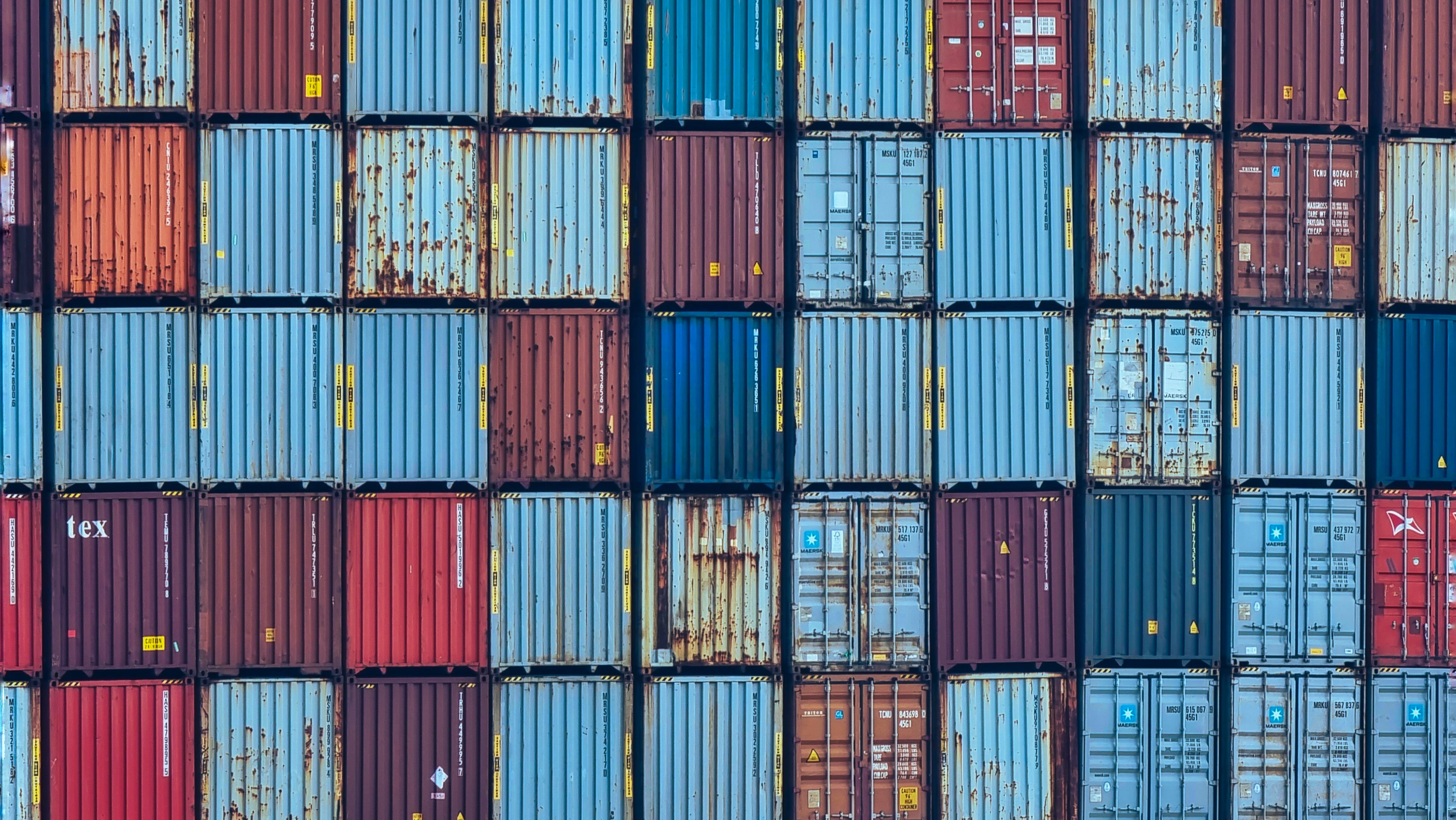
Myth 1: Drayage is Just Trucking
One of the most common misconceptions is that drayage is merely another term for trucking. While drayage does involve trucks, it is a specialized segment of the logistics industry that focuses on the short-distance transport of goods. This service is critical in port operations, ensuring that cargo moves efficiently from ships to inland locations. Drayage requires specific expertise in handling port operations, customs clearance, and intermodal transportation, making it distinct from general trucking services.
Myth 2: Drayage is Expensive
Another prevalent myth is that drayage services are prohibitively expensive. In reality, the cost of drayage is contingent upon various factors such as distance, type of cargo, and port fees. By optimizing routes and leveraging technology, many companies manage to keep drayage costs competitive. Moreover, the cost should be viewed in the context of the overall supply chain, where drayage plays a crucial role in preventing bottlenecks and ensuring timely deliveries.
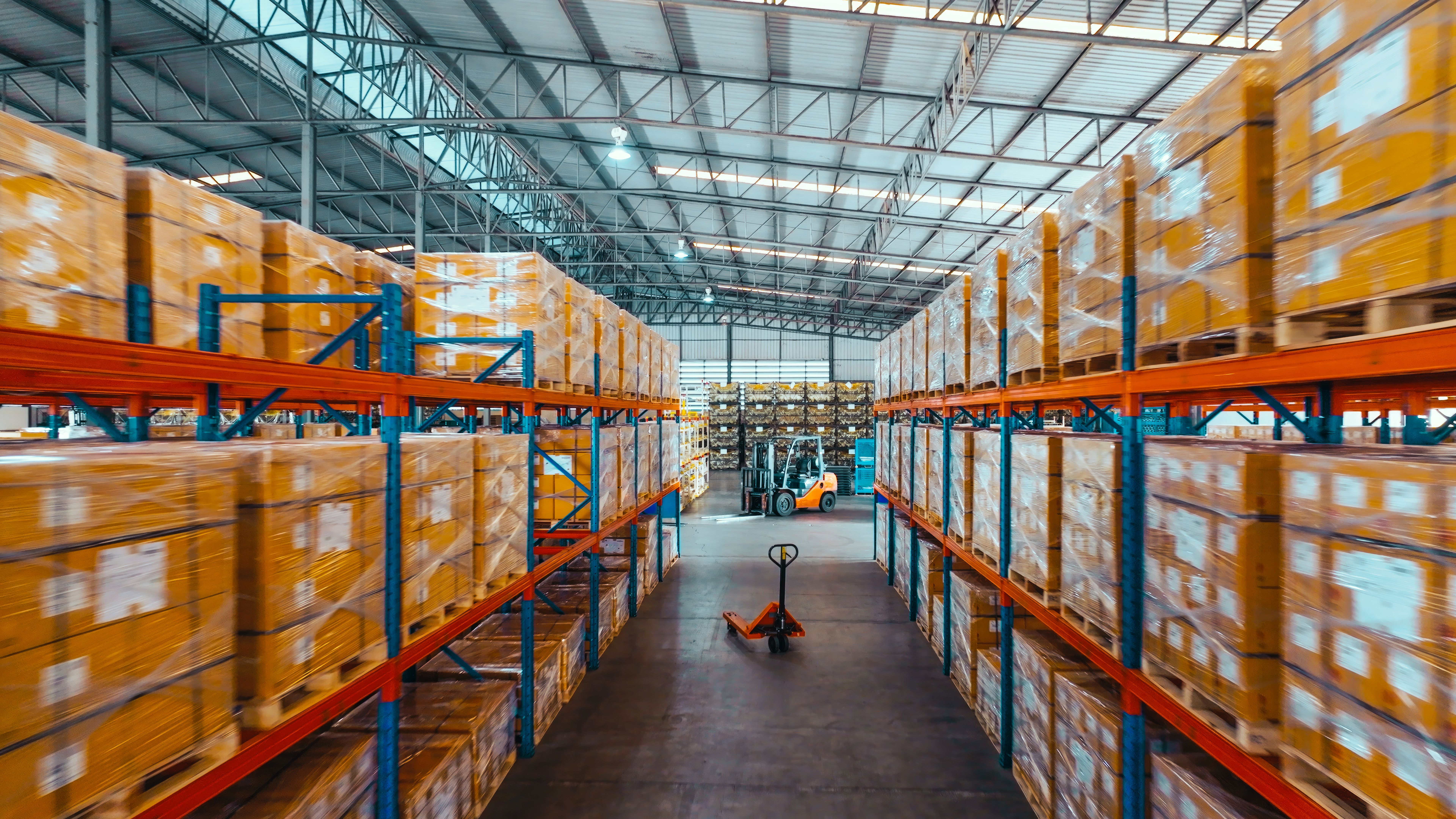
Myth 3: Drayage Services Are Slow
Many believe that drayage services are inherently slow, which can impact the supply chain's efficiency. However, advancements in technology and logistics strategies have significantly improved the speed and reliability of drayage operations. Modern drayage providers use real-time tracking and automated systems to streamline processes and enhance the speed of cargo movements. This enables them to meet tight deadlines and accommodate the fast-paced demands of global trade.
Myth 4: Drayage Is Only for Large Companies
There's a misconception that only large corporations can benefit from drayage services. In truth, businesses of all sizes can leverage drayage to improve their logistics operations. Small and medium-sized enterprises often use drayage to efficiently manage shipments and reduce lead times. By partnering with experienced drayage providers, even smaller companies can enjoy the benefits of professional logistics solutions without the need for substantial infrastructure investments.

Myth 5: Drayage Is Environmentally Unfriendly
Some people assume that drayage contributes significantly to environmental pollution due to the use of diesel trucks. However, the industry is making strides toward sustainability by adopting cleaner technologies and alternative fuels. Many drayage companies are investing in electric and hybrid vehicles, as well as optimizing routes to reduce fuel consumption. These efforts not only minimize environmental impact but also align with global sustainability goals.
In conclusion, drayage services are a vital part of the supply chain, often misunderstood due to prevalent myths. By debunking these misconceptions, businesses can make informed decisions that enhance their logistics operations. As technology and sustainability practices continue to evolve, drayage will remain an essential, efficient, and forward-thinking component of the logistics industry.